
An ERP system is built to support the way a business works. But before users can make the most of it, they need the opportunity to learn, practice, and understand how it fits into their work.
That is where key user training becomes an important part of an ERP implementation.
On August 25, Something Somewhere Consulting conducted a Key User Training with MYT Steel Corporation. The structured session covered several core areas, including master data configuration, procurement, order-to-cash, and inventory operations. The training also included a certification quiz and debriefing session.
While the training itself was a specific project activity, it reflects a broader principle in digital transformation:
Technology becomes more useful when people are prepared to use it.
ERP Training Is Part of the Tranformation
ERP Implementation is often associated with system configuration, data preparation, testing, and go-live.
Those activities are important. But implementation also involves preparing the people who will interact with the system.
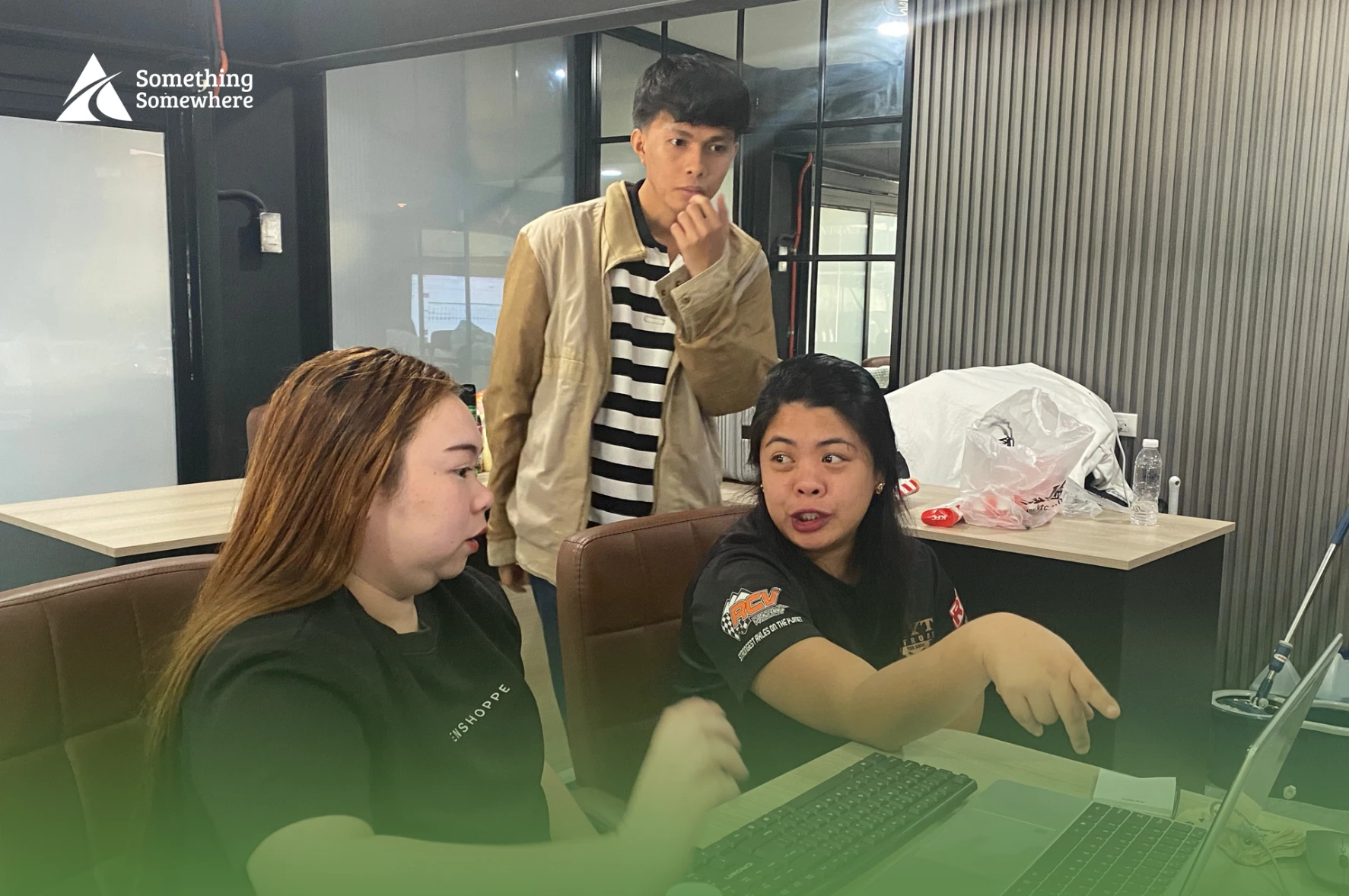
Users need an opportunity to become familiar with the platform and the processes it supports. They need time to ask questions, work through examples, and develop a clearer understanding of how the system is intended to be used.
This is why training should not be viewed as an activity that simply happens shortly before go-live.
It is part of preparing an organization for change.
At Something Somewhere Consulting, this connects directly with our approach to digital transformation. We believe businesses can unlock untapped potential by improving how people, processes, and systems work together.
Why Key Users Matter
Key users have an important place in an ERP implementation because they are among the people who engage closely with the system and the processes it supports.
Their learning experience can help create a stronger foundation for broader user adoption.
A key user does not simply need to know where a function is located in the system. Understanding the relationship between a transaction, a process, and the information it produces is equally important.
That is why effective ERP training should provide context.
Instead of learning isolated system functions, users benefit from seeing how different activities connect within a business process.
The objective is not simply to memorize steps.
It is to develop enough understanding and familiarity to use the system with greater confidence.
Practice Creates Understanding
One of the most valuable parts of training is the opportunity to learn through practical engagement.
Reading documentation can explain what a system does.
Demonstration can show how it works.
But practice gives users an opportunity to become more familiar with the process themselves.
That familiarity matters when organizations introduce new digital systems.
Users may encounter unfamiliar terminology, new transaction flows, or different ways of recording information. Training provides a structured environment where these concepts can be explored and clarified.
This is particularly important during ERP implementation because the system becomes part of everyday business activity.
The more comfortable users become with the system and its processes, the stronger the foundation for adoption.
Measuring Learning Matters Too
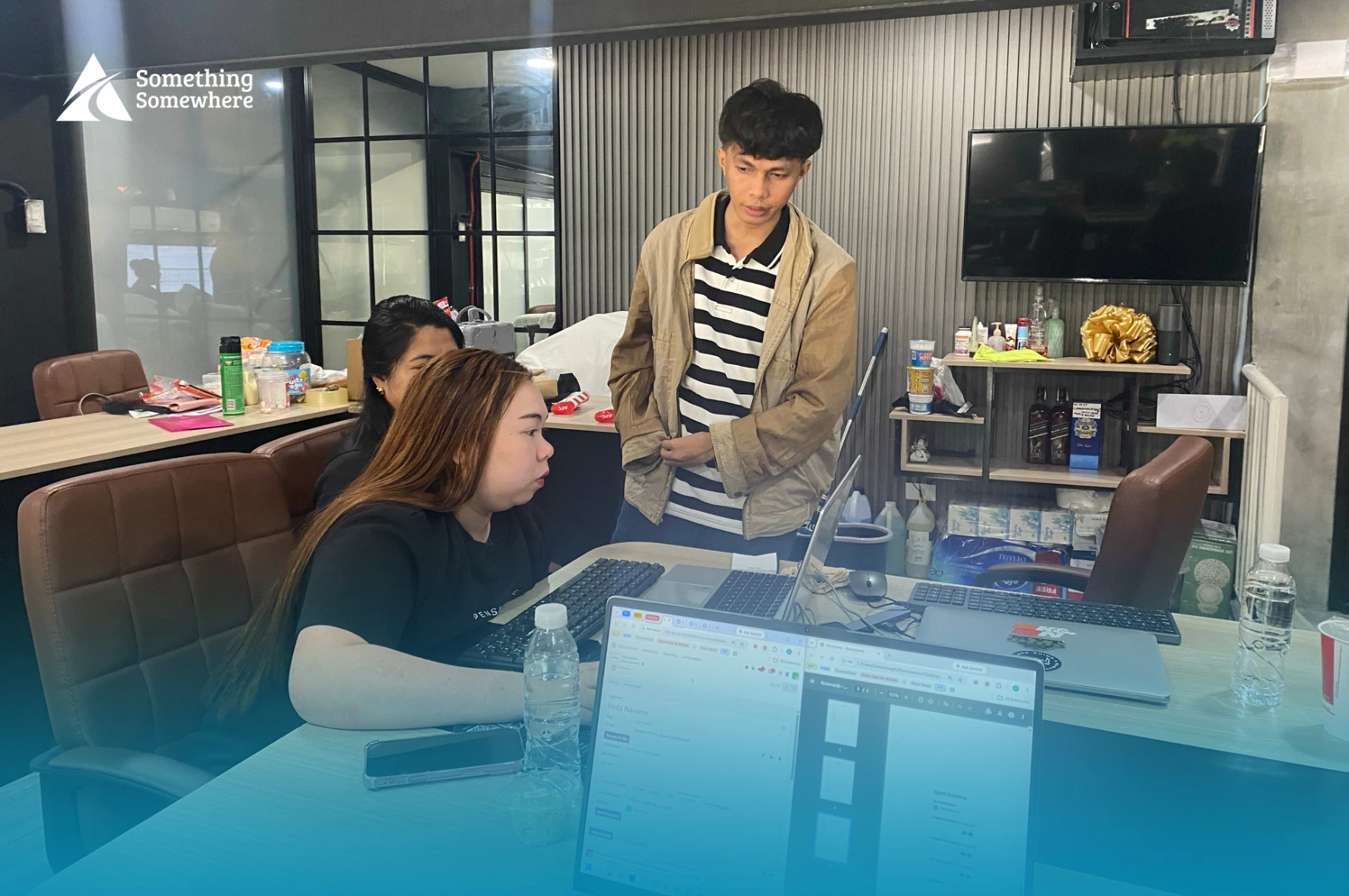
The training session also included a certification quiz followed by a debriefing session.
These activities add another dimension to user training.
Learning should not simply be about completing a presentation or demonstration. There should also be opportunities to reinforce understanding and reflect on what was covered.
A certification activity provides a structured way to review learning, while a debrief creates space to revisit questions and observations from the session.
Together, these elements help make training more intentional.
Technology Needs People to Make It Work
One of the central ideas in SSC's brand positioning is that transformation is people-led, not tool-led.
Technology alone does not transform an organization.
People do.
Systems can provide structure, automation, visibility, and information. But people are the ones who use those capabilities to perform work, make decisions, and adopt new processes.
That is why SSC approaches digital transformation through the relationship between people, processes, and systems.
Process standardization helps clarify how work should happen.
Digital systems enable that way of working.
Change enablement helps people understand and adopt it.
Together, these elements create a more practical foundation for sustainable transformation.
Training Should Lead to Better Ways of Working
The ultimate purpose of ERP training is not simply to help users complete a training exercise.
It is to prepare them for the work that follows.
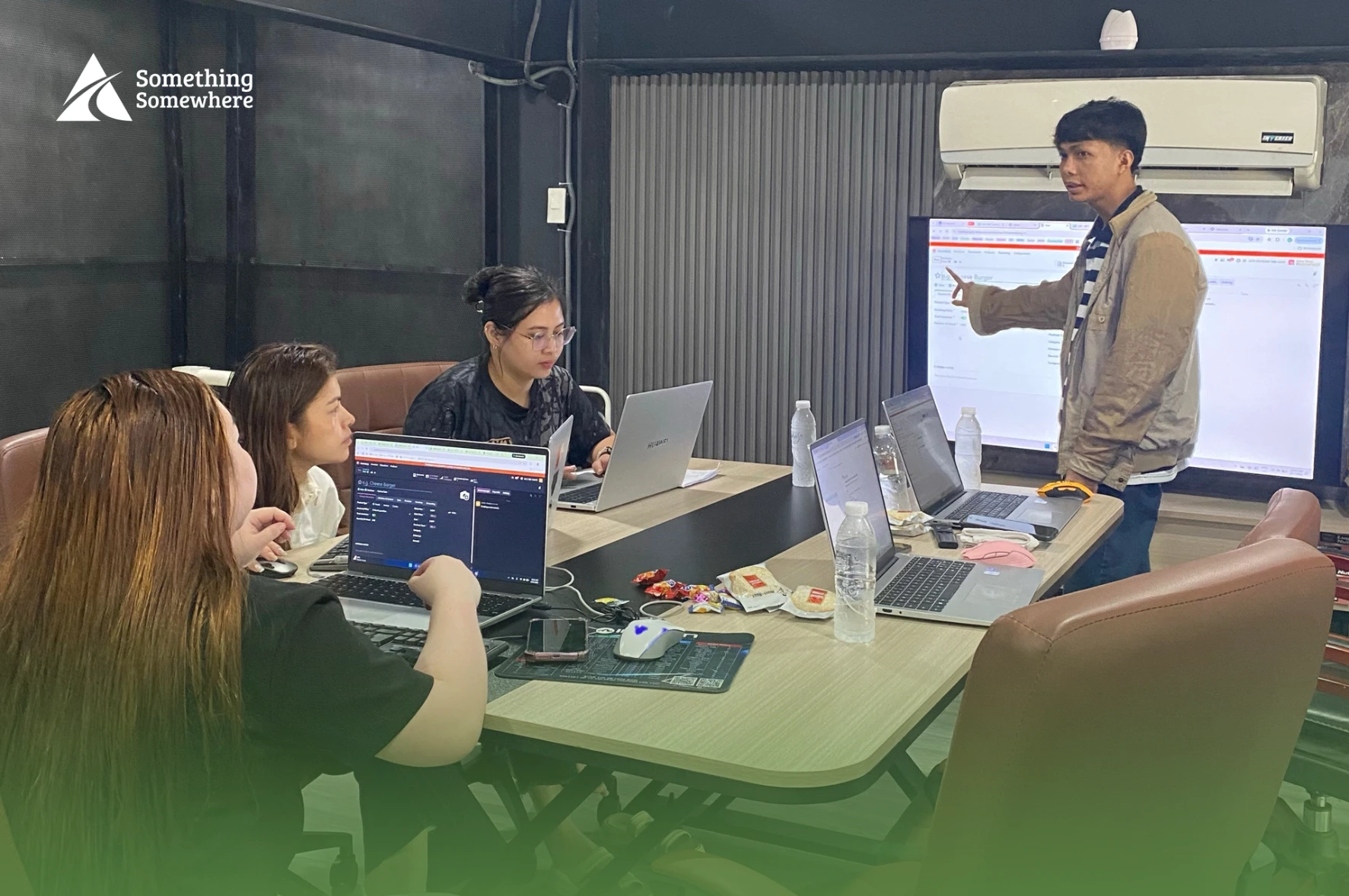
When people understand the system and the processes it supports, they have a stronger foundation for using technology as part of their everyday responsibilities.
That is why training is closely connected to ERP adoption.
It is also why training should be considered part of the broader ERP implementation journey rather than treated as a separate technical activity.
At SSC, our approach is grounded in making transformation practical. We believe technology should enable better processes rather than simply automate existing complexity.
Building the Human Side of ERP Implementation
The technical side of ERP implementation can be measured through configurations, testing, data, and system readiness.
The human side requires a different kind of preparation.
It requires understanding.
It requires practice.
It requires confidence.
And it requires people to have enough clarity about the new way of working to participate in the change.
The Key User Training with MYT Steel Corporation was one such opportunity to bring those elements together through structured learning and practical engagement.
For Something Somewhere Consulting, activities like this are part of a bigger belief:
ERP implementation is not only about putting a system in place. It is about helping people work better with the processes and systems that support the business.
That is where digital transformation starts becoming practical.
And that is how businesses can move toward better ways of working.
📩 Let’s Continue the Conversation
Ready to explore what better processes, greater visibility, and an integrated ERP system could unlock for your organization?
Start Somewhere with Something Somewhere Consulting and begin building a practical path toward sustainable business transformation.