
An ERP system creates greater value when users understand not only how to complete a transaction, but also how that transaction affects the next process, team, and business decision.
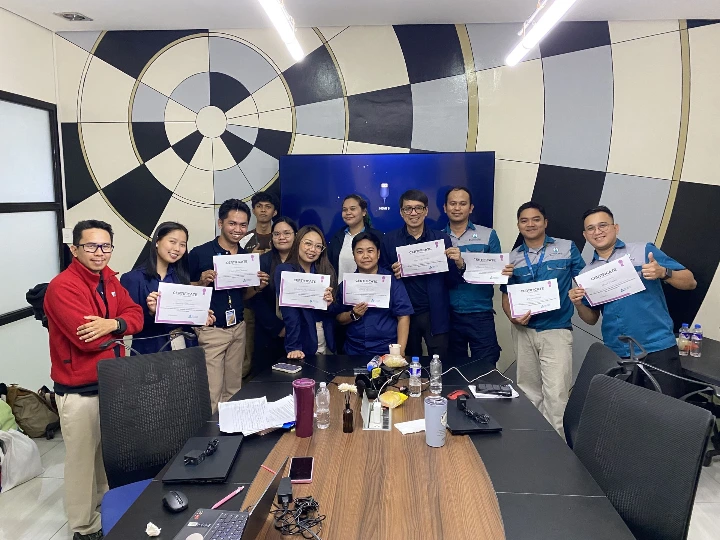
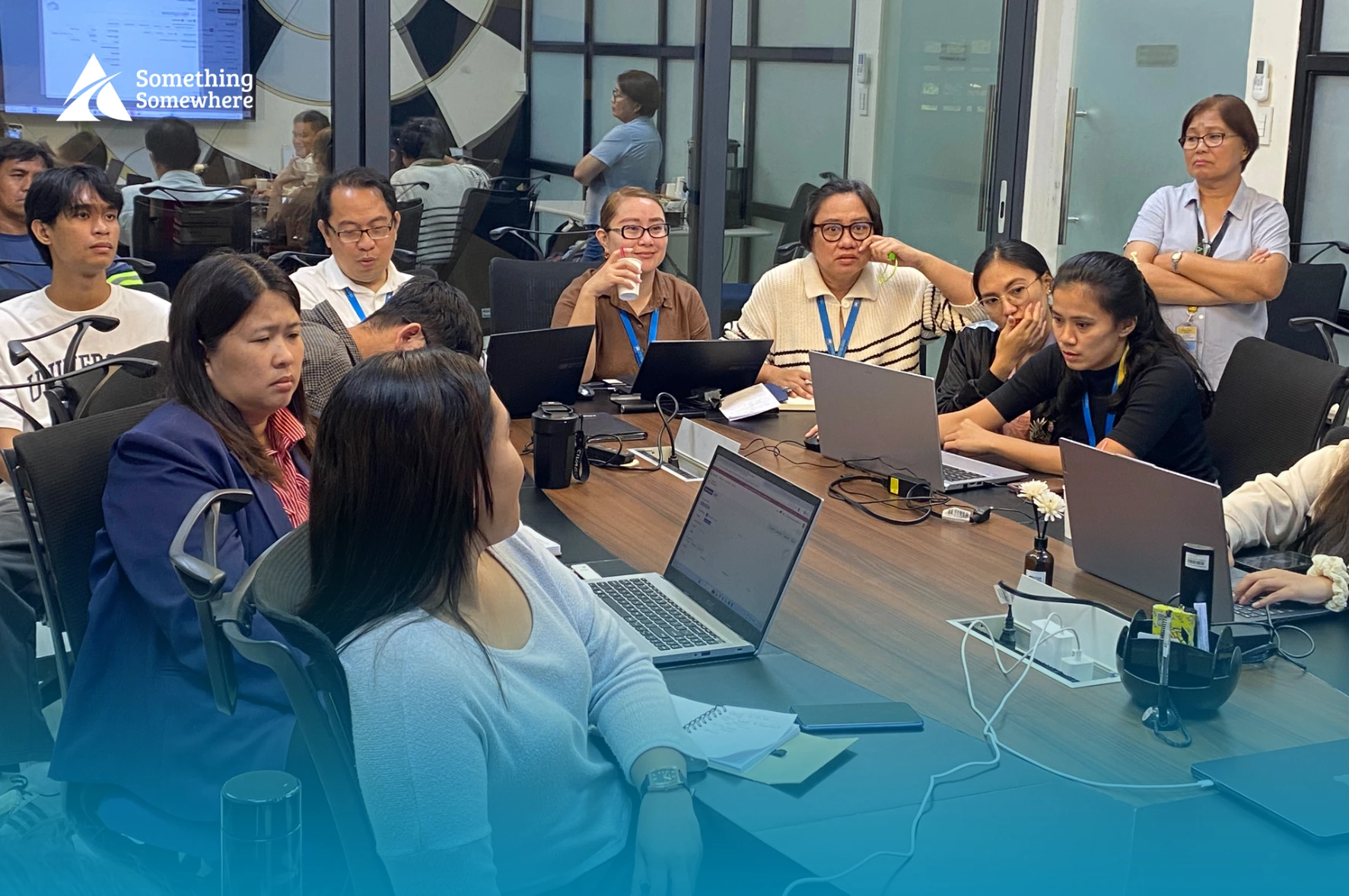
On July 30, 2026, Something Somewhere Consulting conducted Day 1 of End-User Training with HyperKem & Machineries Inc., guiding participants through a broad set of connected business processes in Odoo.
The session covered Sales, Accounting, Inventory, Project Management, Approvals and Budget Management, Analytic Accounting, and communication through Odoo Discuss and Chatter.
Rather than treating these areas as separate system functions, the training focused on how they work together as part of a connected operating process.
A quotation can become a sales order. A sales order can trigger delivery, invoicing, project work, and internal approvals. Project milestones may affect billing, while budget controls and analytic accounts help the organization monitor how resources are allocated and used.
Understanding these connections is essential to meaningful ERP adoption.
Users need more than system familiarity. They need a clear understanding of the process, their responsibilities, the information required at each stage, and the effect their actions have on other teams.
Strengthening the Sales Process From Quotation to Order
The training began with the Sales process, covering quotations, sales orders, approval workflows, numbering, order-line customization, price validation, and customer communication.
Quotations are more than commercial documents. They establish the conditions under which the business agrees to provide products or services.
For users, this means customer details, order lines, quantities, prices, and supporting information must be complete and accurate before the quotation moves forward.
The discussion on quotation numbering highlighted the importance of maintaining organized and traceable records. A consistent numbering structure makes quotations easier to identify, monitor, and reference across departments.
The session also covered order-line customization, helping users understand how quotation and sales-order details may be structured around actual customer requirements.
This is particularly important when transactions involve different products, services, project activities, delivery conditions, or billing arrangements.
Introducing Control Through Approval Workflows
Approval workflows formed another important part of the Sales discussion.
Not every quotation or commercial commitment should move forward automatically. Some transactions may require review based on value, pricing, scope, budget, or internal authority.
A clearly defined approval process helps protect the organization from unauthorized commitments and inconsistent decision-making.
It also gives users greater clarity on when they may proceed independently and when another person must review the transaction.
When approvals are managed within the same system, the organization gains a more visible record of what was submitted, reviewed, approved, or returned for revision.
This supports accountability without relying entirely on separate email threads, verbal confirmation, or disconnected approval files.
Supporting Better Pricing Decisions
The training also addressed price validation, an important control within the quotation and sales-order process.

Pricing decisions can affect profitability, customer expectations, project budgets, and future billing. Users therefore need to understand when a price may be accepted, when it requires review, and how changes should be documented.
Price validation creates a stronger link between commercial activity and internal governance.
Instead of treating pricing as a simple data-entry step, it becomes a controlled business decision supported by defined responsibilities.
This is especially valuable when quotations contain customized order lines, project-related services, special customer requirements, or changes from standard pricing.
Keeping Customer Communication Connected to the Transaction
Customer communication was another key topic during the training.
Sales processes often involve questions, revisions, confirmations, supporting documents, and follow-up messages. When these communications are separated from the related quotation or sales order, important context can be lost.
Using system-based communication helps keep the conversation connected to the transaction.
It allows authorized users to review the history, understand previous decisions, and continue the discussion without relying only on an individual user’s inbox or memory.
This improves continuity, particularly when more than one team member supports the customer.
Connecting Sales to Invoicing and Billing
The Accounting discussion focused on invoicing and the wider billing process.
A sales transaction is not complete simply because the customer has confirmed an order. The business must also determine when the customer should be billed, what amount should be invoiced, and what operational evidence supports the billing decision.
The session covered the Delivered Quantities invoicing policy, which connects invoicing to what has actually been delivered.
Under this approach, the quantity delivered becomes a key basis for creating the invoice.
This helps align financial transactions with operational results and reduces the risk of billing for items or work that have not yet been completed.
It also reinforces the importance of accurate delivery and project records, since those records may influence when and how the customer is invoiced.
Managing Delivery Orders and Returns
The Inventory portion of the training covered Delivery Orders, Returns, and the handling of delivery shortages or losses.
Delivery orders provide the operational record of what is expected to leave the warehouse and what has actually been delivered.
For users, accurate processing helps maintain visibility over inventory movements and supports better coordination between Sales, Warehouse, and Accounting.
Returns require similar discipline.
When goods are returned, the business needs a clear record of what came back, why it was returned, how the inventory should be adjusted, and whether the transaction has an effect on billing or customer balances.
The discussion on delivery shortages and losses was particularly important because these situations can create differences between what was ordered, what was prepared, and what the customer ultimately received.
These differences should not remain undocumented.
They need to be recorded, reviewed, and resolved through a consistent process so that inventory records, customer communication, and financial transactions remain aligned.
Using Project Milestones to Monitor Progress
Project Management formed another major part of Day 1.
The session covered project milestones, notifications, and billing triggers.
Milestones help teams divide a project into meaningful stages and monitor whether agreed outcomes have been completed.
Instead of viewing a project only as one large task, users can track progress through defined points that indicate completion, approval, readiness, or delivery.
This gives the organization a clearer view of where the project stands and what must happen next.
Milestones also support stronger coordination because team members can see which activities have been completed and which remain open.
Connecting Milestones to Billing
The discussion on billing triggers showed how project execution may connect to the invoicing process.
In some situations, billing may depend on a milestone, delivered quantity, approved work, or another defined business event.
This means project updates are not only operational records. They may also affect the timing and accuracy of customer invoices.
When users understand this connection, they are more likely to maintain project information consistently and complete milestone updates at the correct time.
This creates better alignment between project delivery and financial processing.
It also helps reduce delays caused by missing completion records, unclear approval status, or incomplete project documentation.
Improving Coordination Through Project Notifications
Project notifications help users remain aware of updates, deadlines, assignments, and changes.
A system can provide visibility, but that visibility must reach the right people at the right time.
Notifications can help reduce dependence on repeated manual follow-ups and make it easier for team members to respond to project developments.
However, notifications are most useful when responsibilities are clear.
Users need to understand which updates require action, which messages are informational, and what they are expected to complete after receiving a notification.
The training therefore supported not only system use, but also clearer ownership across the project process.
Building Governance Through Budget Approvals
Approvals and Budget Management were also central to the session.
Participants discussed budget approvals, revisions, Analytic Budgets, and the use of Analytic Accounting for allocation and tracking.
Budget approval helps ensure that planned spending or resource allocation receives the necessary review before it is accepted.
This creates stronger financial discipline and gives management greater visibility into how funds are being committed.
When a budget requires revision, the change should also be visible and controlled.
A revision may reflect changes in project scope, pricing, resource requirements, timelines, or operational conditions. Recording and approving these changes helps preserve the history behind the budget and makes later analysis more meaningful.
Using Analytic Budgets for Better Tracking
Analytic Budgets help connect planned amounts with the business activities they are intended to support.
Instead of viewing financial information only through general accounting records, the organization can monitor budgets according to projects, departments, activities, or other internal dimensions.
This creates a more detailed view of how resources are allocated and used.
For HyperKem & Machineries Inc., understanding Analytic Budgets supports a more structured approach to planning, monitoring, and reviewing business activity.
It allows teams to compare approved allocations against actual results and identify where adjustments may be required.
Understanding Analytic Accounts
The session also covered Analytic Accounts, which provide a way to track financial performance according to internal business purposes.
An analytic account may be connected to a project, contract, department, cost center, or another management dimension.
This helps the organization answer questions that may not be visible through statutory accounting alone.
For example:
- How much has been spent on a particular project?
- How much revenue is connected to a specific activity?
- How is a budget being consumed?
- Which areas are performing within or outside expectations?
Analytic Accounting gives management an additional layer of operational and financial visibility.
Its value, however, depends on consistent use.
Users need to assign the correct analytic information to relevant transactions so that reports remain meaningful and reliable.
Allocating and Monitoring Budgets More Effectively
Budget allocation and tracking bring together several of the day’s topics.
Sales commitments, project activities, purchases, deliveries, and invoices can all affect how resources are planned and consumed.
When these processes are connected through Odoo, the organization can gain a clearer view of how commercial decisions influence operational execution and financial performance.
This is one of the main benefits of an integrated ERP environment.
Instead of maintaining separate records for sales, projects, inventory, and budgets, the business can build a more connected information flow.
That connection supports better decision-making, but only when users understand how to maintain the underlying records correctly.
Creating a Clearer Communication Trail Through Chatter
The training also explored Odoo Discuss and Chatter, including Log Notes, Activities, Internal Notifications, Send Message, and Send to Client.
Communication is an essential part of every business process.
Questions arise, approvals are requested, tasks need follow-up, documents are shared, and customers require updates.
When these interactions are handled outside the relevant transaction, the business may lose important context.
Chatter helps keep communication connected to the record where the work is taking place.
Log Notes
Log Notes support internal communication.
They allow users to document observations, explanations, instructions, or updates for colleagues without sending the information to the customer.
This is useful for preserving internal context and helping other team members understand the status of a transaction.
Activities
Activities help users plan and track follow-up actions.
An activity may represent a call, meeting, review, document request, approval, or another required task.
By assigning activities within the system, teams can create clearer responsibility and reduce the risk of important follow-ups being forgotten.
Internal Notifications
Internal notifications help alert relevant users to updates or required actions.
They can support faster coordination, particularly when a process moves between Sales, Project, Inventory, Accounting, and Management.
Send Message and Send to Client
The session also distinguished internal communication from client-facing messages.
This is important because not every note recorded within the system should be visible to the customer.
Users need to understand when a message is intended for colleagues and when it is appropriate to communicate directly with the client.
Maintaining this distinction supports professionalism, confidentiality, and clearer customer communication.
Training Users to Understand the Whole Process
Day 1 of the HyperKem End-User Training covered a wide range of functions, but the underlying objective remained consistent: helping users understand how their work connects.
Sales information affects delivery and invoicing.
Delivery records affect inventory and billing.
Project milestones may trigger financial transactions.
Budget approvals influence what the organization may commit and spend.
Analytic accounts help management understand the performance of those commitments.
Communication tools help users coordinate the work and preserve an accessible record of decisions and follow-up actions.
When users understand these relationships, the ERP system becomes more than a place to encode information.
It becomes a shared operating environment that supports visibility, accountability, and continuity.
Making Digital Transformation Practical
Something Somewhere Consulting approaches ERP implementation as a business transformation journey rather than a software installation exercise.
The goal is not simply to introduce a platform. It is to help organizations standardize processes, align teams, enable better systems, and build the adoption needed to sustain change.
SSC’s positioning emphasizes that stronger outcomes emerge when people, processes, and systems work together—and when technology supports a more consistent and visible way of operating.
The July 30 session with HyperKem & Machineries Inc. reflected this approach.
By connecting Sales, Accounting, Inventory, Projects, Approvals, Budget Management, Analytic Accounting, and communication, the training helped users see the wider business process behind each system activity.
Building Better Ways of Working
Successful ERP adoption does not happen through configuration alone.
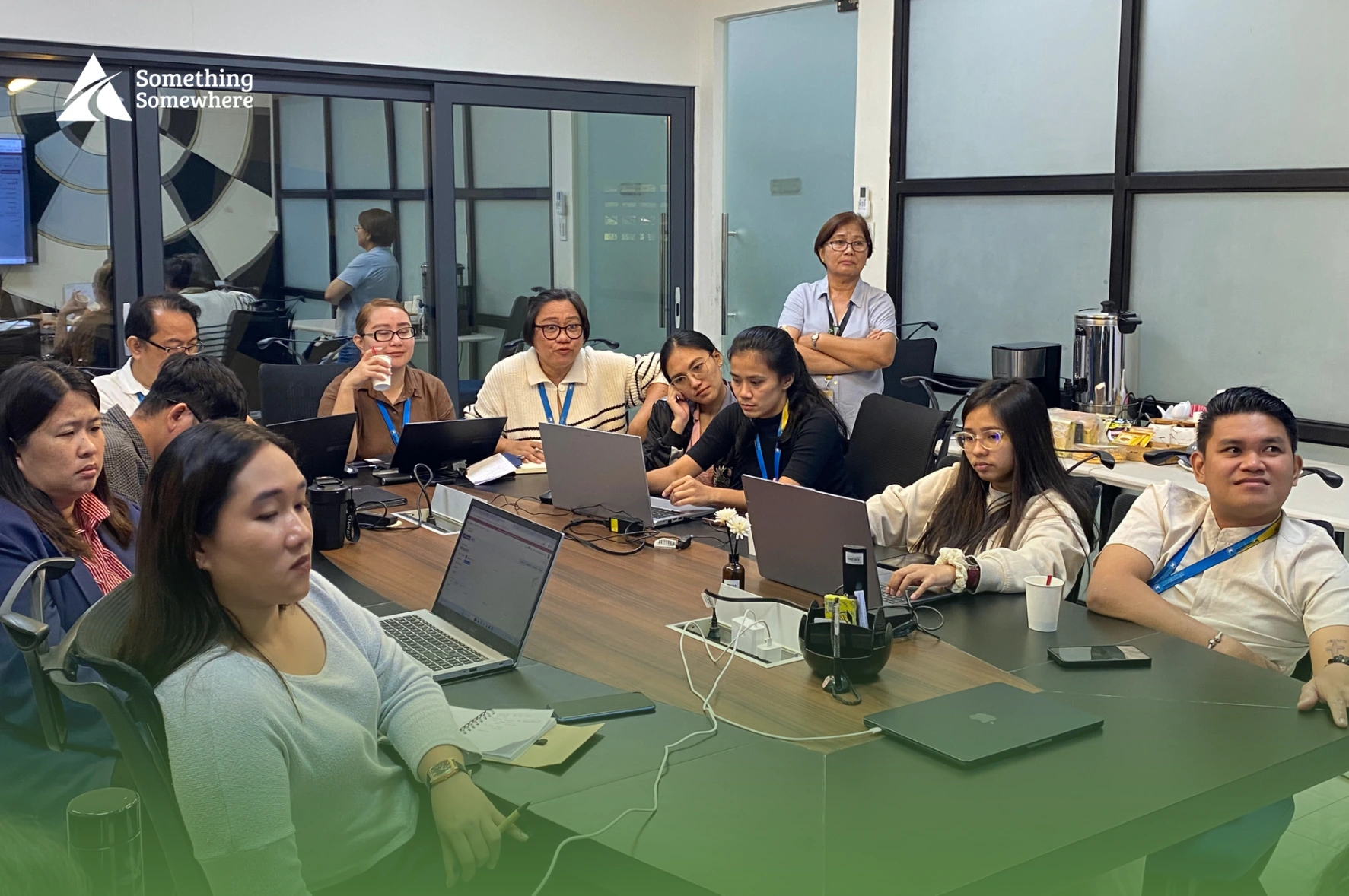
It develops when users understand their roles, follow agreed processes, maintain accurate information, and use the system consistently.
Day 1 of End-User Training represented an important step in helping HyperKem & Machineries Inc. build that confidence.
The training strengthened understanding across commercial, operational, financial, and project-related processes while reinforcing the importance of communication and accountability.
The result is not simply greater familiarity with Odoo.
It is a stronger foundation for better visibility, better control, better continuity, and better ways of working.
📩 Let’s Continue the Conversation
Ready to explore what better processes, greater visibility, and an integrated ERP system could unlock for your organization?
Start Somewhere with Something Somewhere Consulting and begin building a practical path toward sustainable business transformation.