
Connected operations depend on more than system access. They require clear approvals, defined responsibilities, accurate transactions, and users who understand how one process affects the next.
On July 31, 2026, Something Somewhere Consulting conducted Day 2 of End-User Training with HyperKem & Machineries Inc., continuing the organization’s Odoo learning journey through a focused discussion on procurement, approvals, access controls, manufacturing, logistics, returns, and inventory management.
The second day of training covered the Purchase and Approval Process, Approvals Module, User Access and Permissions, Automated Notifications, Manufacturing Process, Delivery and Logistics Process, Return and Inventory Management, and Action Items and Required Data.
The goal was not simply to introduce system functions. It was to help users understand the operating discipline behind each transaction and the importance of completing every handoff accurately.
Strengthening the Purchase and Approval Process
Procurement is one of the most important control points in any organization.
A purchase request may begin with a simple operational need, but it can affect budgets, supplier commitments, inventory levels, project schedules, production, and financial reporting.
For this reason, the training emphasized the importance of following a clear Purchase and Approval Process.
Users need to understand when a purchase request should be created, what supporting information is required, who is responsible for reviewing it, and when the transaction may move forward.
A consistent process helps reduce informal purchasing, incomplete documentation, and unauthorized commitments.
It also gives management greater visibility into what the organization plans to buy and why.
Using the Approval Module for Better Governance
The Odoo Approvals Module provides a structured way to manage requests that require review before action is taken.
During the session, users were introduced to the role of approvals in supporting accountability and decision-making.
The value of an approval process is not limited to recording a manager’s decision.
It creates a visible trail that shows:
- What was requested
- Who submitted it
- Who reviewed it
- Whether it was approved, rejected, or returned
- What conditions or comments were attached to the decision
This helps teams move away from verbal approvals or scattered email threads and toward a more consistent, traceable process.
For HyperKem & Machineries Inc., this supports stronger governance across purchasing and related operational activities.
Clarifying User Access and Permissions
User access and permissions were another major focus of Day 2.
In an ERP system, users should have access to the information and actions required for their roles—but not more than necessary.
This is important for both operational efficiency and control.
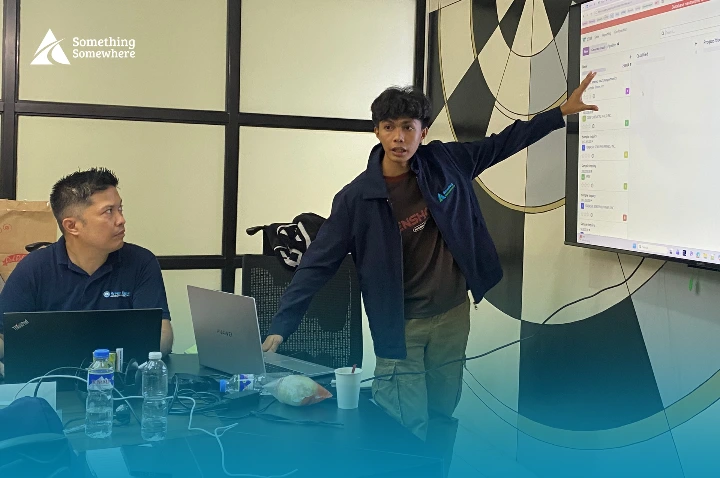
When access is too limited, users may be unable to complete their work. When access is too broad, the business may face unnecessary risk, including accidental changes, unauthorized approvals, or visibility into information that should remain restricted.
The training helped reinforce the importance of assigning permissions according to actual responsibilities.
Clear user access supports separation of duties and helps ensure that activities such as requesting, approving, receiving, producing, and validating are handled by the appropriate people.
Improving Follow-Through Through Automated Notifications
Automated notifications were discussed as a practical way to improve coordination and reduce missed actions.
Business processes often depend on timely follow-up.
A purchase request may need approval. A manufacturing order may require action. A delivery may need confirmation. A return may need review.
Without clear notifications, these activities can remain pending or depend on manual reminders.
Automated notifications help alert the right users when attention is required.
However, notifications are only effective when responsibilities are clearly assigned and users understand what action they are expected to take.
The session therefore connected system automation with process ownership.
The goal was not to create more messages, but to make important actions visible and easier to complete on time.
Understanding the Manufacturing Process
The manufacturing discussion focused on how materials, production requirements, and operational activities move through a controlled process.
Manufacturing does not begin with production alone.
It depends on accurate requirements, available materials, defined components, assigned responsibilities, and proper execution.
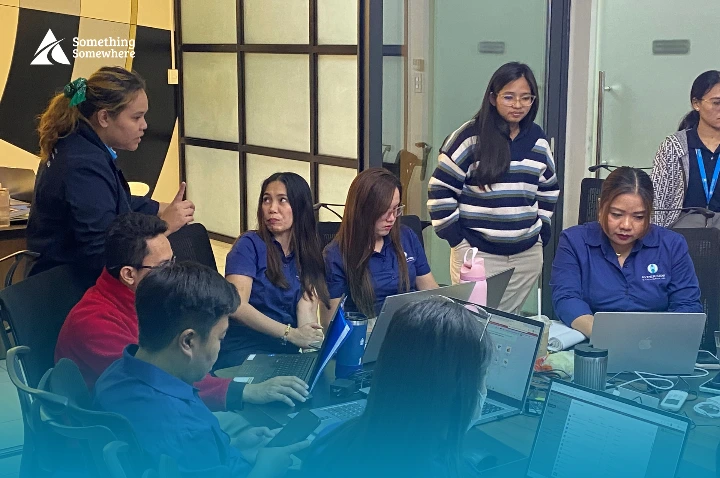
Users need to understand how the manufacturing process connects to procurement, inventory, and delivery.
If materials are unavailable, procurement may be required.
If stock movements are not recorded correctly, the organization may lose visibility over actual material use.
If production status is not updated, delivery planning and customer commitments may be affected.
The training helped users see manufacturing as part of a larger business flow rather than a separate operational activity.
Connecting Delivery and Logistics
The Delivery and Logistics Process was another important area covered during Day 2.
Delivery is where internal operations meet the customer commitment.
Accurate delivery processing helps the business confirm what was prepared, what left the warehouse, what reached the customer, and what remains incomplete.
For users, this means delivery records should reflect actual movement rather than expected movement alone.
The session reinforced the importance of proper handoffs between manufacturing, inventory, warehouse, logistics, and customer-facing teams.
When delivery information is updated consistently, the organization gains better visibility into order status and can respond more effectively to delays, shortages, or other issues.
Managing Returns and Inventory Adjustments
Returns require careful handling because they can affect inventory, customer balances, supplier records, and operational reporting.
The training addressed Return and Inventory Management as a connected process.
Users need to understand:
- What item is being returned
- Why it is being returned
- Where it should be received
- Whether it can be reused, repaired, replaced, or written off
- How the return affects inventory records
- Whether related financial or customer actions are required
A return should not simply be treated as a physical movement.
It must be recorded in a way that preserves traceability and keeps stock information accurate.
This is especially important when shortages, damages, wrong items, or incomplete deliveries are involved.
Preserving Inventory Accuracy
Inventory accuracy depends on disciplined transaction processing.
Every receipt, transfer, production use, delivery, and return changes what the system should show.
If users delay or skip these updates, physical stock and system stock can begin to diverge.
This can affect purchasing decisions, manufacturing plans, delivery commitments, and financial reporting.
The training therefore reinforced the importance of recording inventory movements at the correct time and through the correct process.
The value of an ERP system depends heavily on the reliability of the data users maintain.
Turning Training Into Action
The final portion of the session focused on Action Items and Required Data.
End-User Training is not only a learning activity. It also helps reveal what still needs to be completed before users can operate confidently.
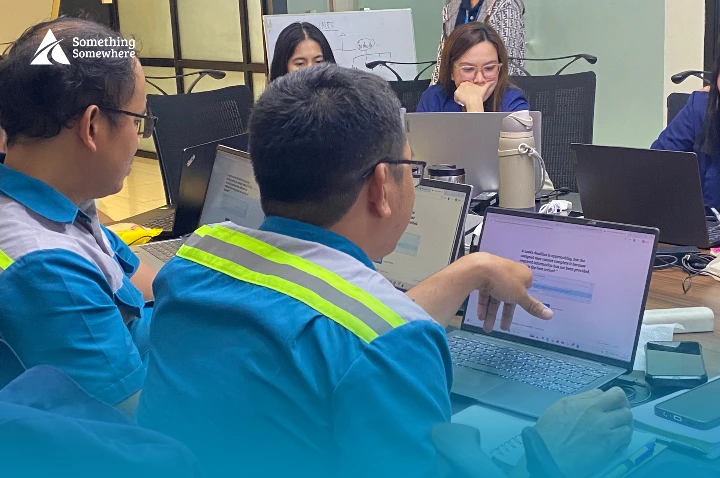
This may include missing records, incomplete access assignments, configuration decisions, data preparation, ownership clarification, or process updates.
By identifying action items during training, the organization creates a clearer path forward.
Each open item should have a responsible owner, a required output, and a target completion point.
This helps ensure that the training leads to practical readiness rather than ending as a one-time session.
Building Accountability Across the Process
The topics covered during Day 2 were closely connected.
Approvals influence purchasing.
Purchasing affects material availability.
Materials support manufacturing.
Manufacturing supports delivery.
Returns affect inventory.
Access permissions and automated notifications influence whether every step is completed by the right person at the right time.
This is why ERP training should be process-led rather than screen-led.
Users need to understand the full chain and how their responsibilities affect other teams.
When that understanding is in place, the system becomes a tool for coordination, control, and better decision-making.
Making ERP Adoption Practical
Something Somewhere Consulting approaches ERP implementation as more than a software deployment.
SSC helps organizations improve how people, processes, and systems work together by standardizing activities, clarifying ownership, enabling digital tools, and supporting user adoption.
The Day 2 training with HyperKem & Machineries Inc. reflected this practical approach.
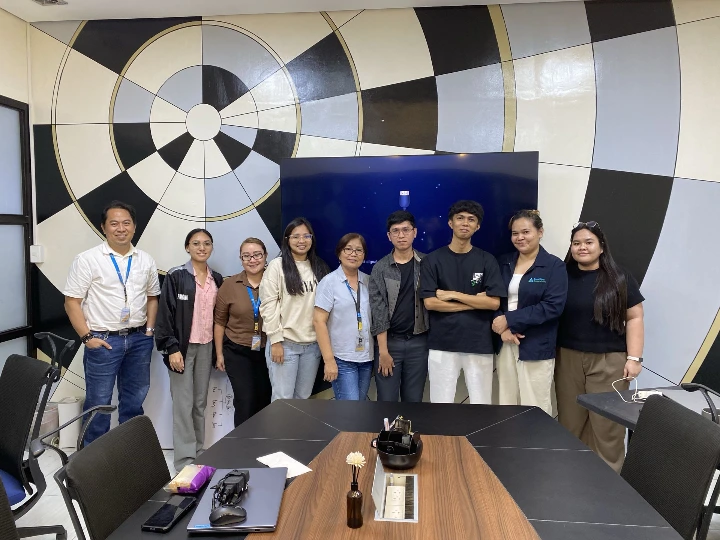
By focusing on procurement, approvals, access, manufacturing, logistics, returns, inventory, and action planning, the session helped users understand both the system and the business discipline required behind it.
This is where digital transformation becomes meaningful.
Not when software is installed, but when teams begin using it consistently to create better visibility, stronger control, and greater continuity.
Building a Stronger Operating Model
The July 31 session marked another important step in HyperKem & Machineries Inc.’s user-readiness journey.
The training helped strengthen understanding across several critical processes while highlighting the data, decisions, and responsibilities still required.
The long-term value of Odoo will depend on how consistently these processes are followed after training.
With clear approvals, role-based access, timely notifications, accurate inventory records, and stronger coordination across purchasing, manufacturing, and logistics, the organization can build a more reliable operating model.
That is the real purpose of end-user training.
It turns system capability into everyday business practice.
📩 Let’s Continue the Conversation
Ready to explore what better processes, greater visibility, and an integrated ERP system could unlock for your organization?
Start Somewhere with Something Somewhere Consulting and begin building a practical path toward sustainable business transformation.