
Strong financial control begins long before a transaction reaches the accounting team. It starts with consistent purchasing processes, accurate records, clear ownership, and users who understand how their work connects across the business.
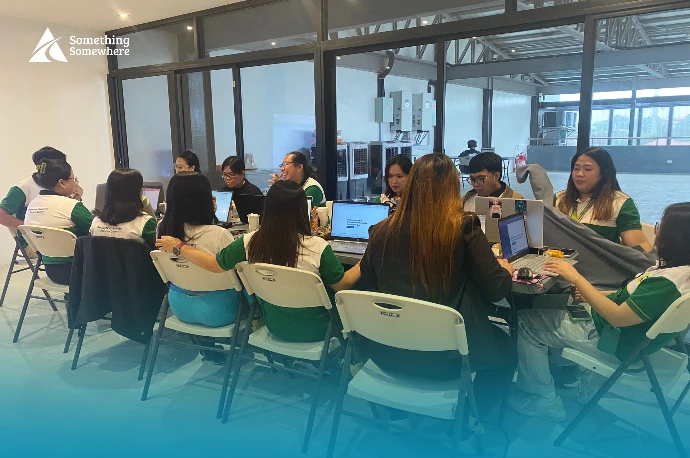
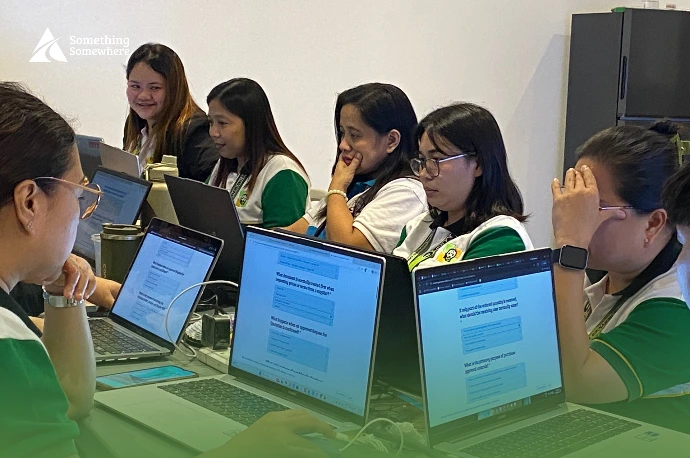
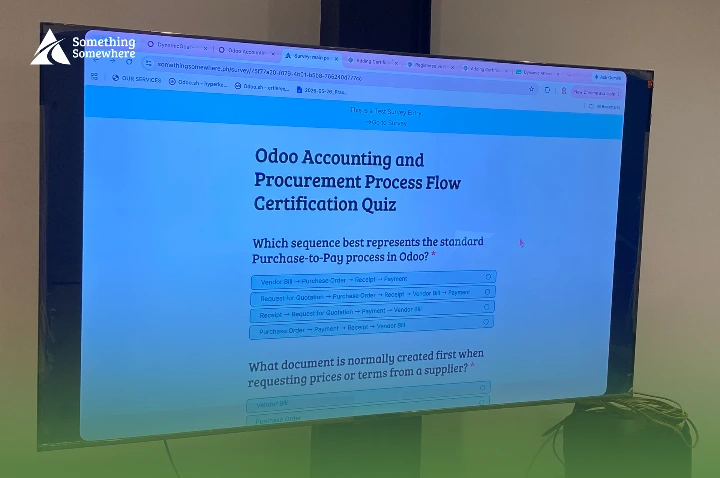
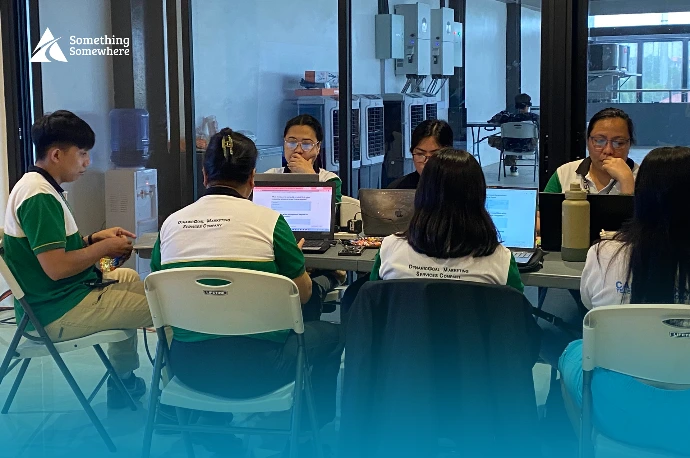
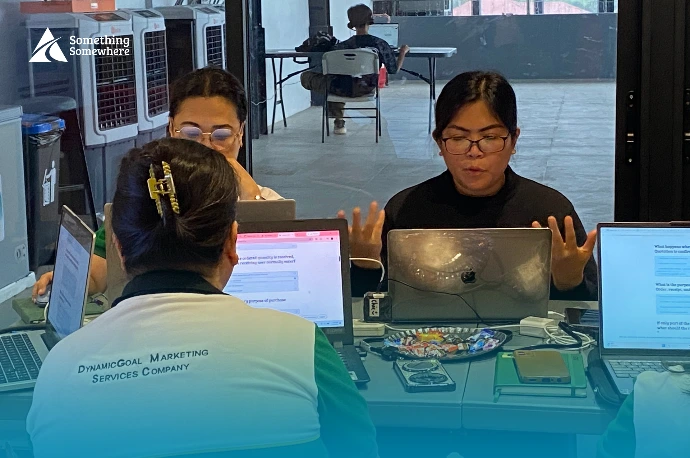
On July 29, 2026, Something Somewhere Consulting continued its End User Training with DynamicGoal Marketing Services, with Day 2 focused on Accounting and Procurement processes in Odoo.
Following the first day’s discussion on sales and operations, the second training day shifted attention to the financial and purchasing activities that support daily business operations.
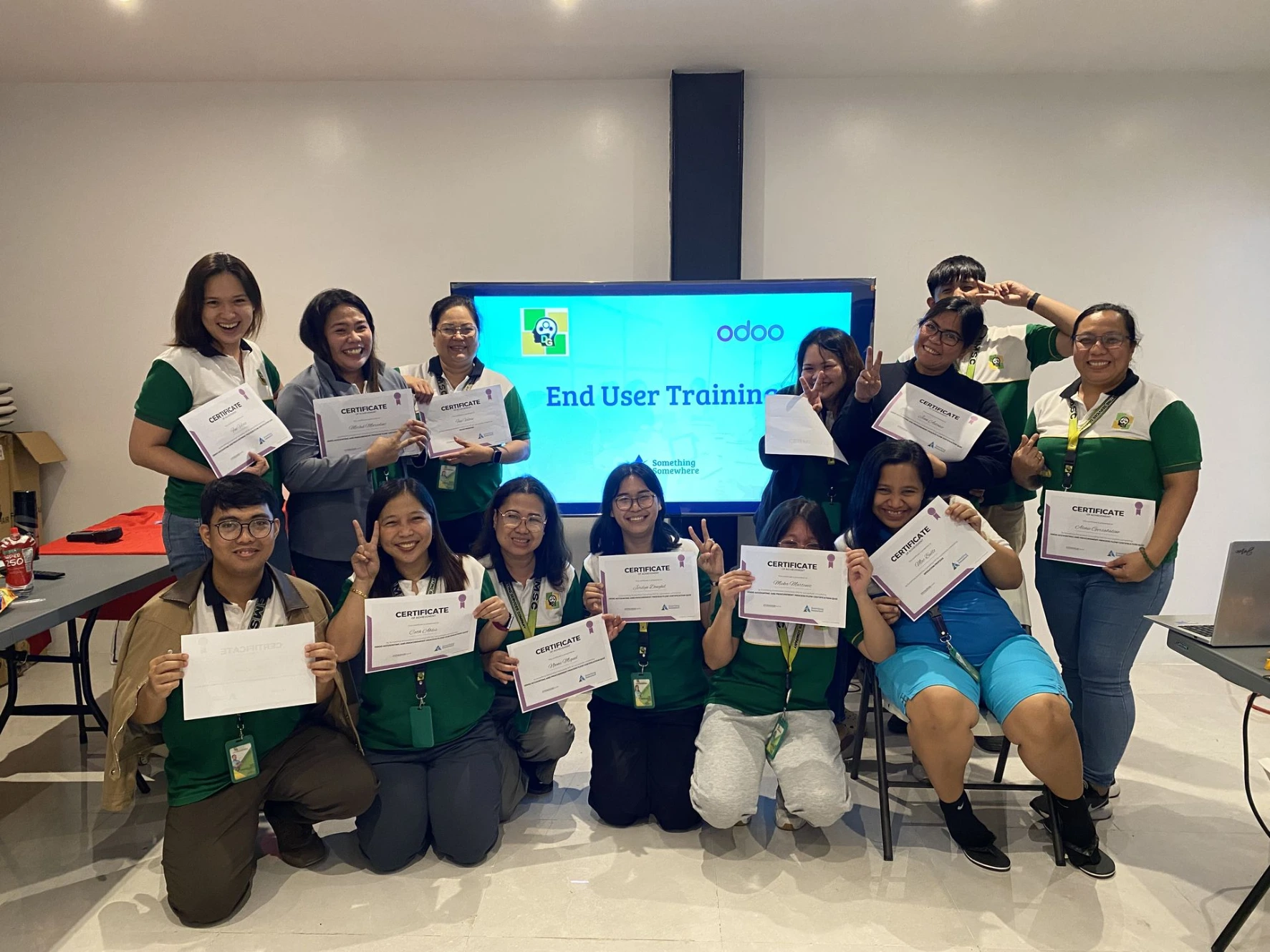
The session was designed to help users understand how procurement decisions, supplier transactions, supporting documents, financial entries, and internal responsibilities work together within a connected ERP environment.
More than introducing system functions, the training aimed to strengthen the team’s understanding of the processes behind each transaction. This is essential because successful ERP implementation depends not only on correct configuration, but also on consistent execution by the people using the system every day.
Connecting Procurement and Accounting
Procurement and accounting are closely linked.
A purchase does not begin and end with the creation of a supplier order. It forms part of a wider business process that may include identifying a requirement, selecting a supplier, confirming quantities and costs, receiving goods or services, reviewing supplier documents, recording liabilities, and completing payment.
Each stage affects the next.
When procurement information is incomplete, delayed, or inconsistent, accounting teams may struggle to verify transactions, recognize expenses correctly, monitor outstanding obligations, or prepare reliable financial reports.
When both functions operate through a shared system and a clearly defined process, the organization gains greater visibility into what has been requested, approved, purchased, received, billed, and paid.
This connection was an important theme of the Day 2 End User Training.
Building Consistency Into the Purchase Process
A standardized procurement process helps teams manage purchasing activities with greater control and accountability.
Users need to understand what information should be entered, which documents must support a transaction, who is responsible for each step, and when the process should move forward.
Without a consistent process, teams may rely on informal messages, spreadsheets, or verbal approvals. This can make it difficult to confirm whether purchases were properly authorized, whether supplier commitments were accurately recorded, or whether the business received what it agreed to purchase.
Using Odoo as a shared system of record can help create a clearer process trail.
It allows purchasing activities to be documented in one environment, giving authorized users greater visibility into transaction status and reducing dependence on disconnected files or individual memory.
For DynamicGoal Marketing Services, the training supported a more connected understanding of how procurement activities contribute to wider operational and financial control.
Improving the Quality of Financial Information
Accounting accuracy depends on the quality of the information created throughout the business process.
Supplier details, purchase values, applicable taxes, payment terms, transaction dates, supporting references, and account classifications all influence how financial records are produced.
Even a small error in an earlier stage can affect later activities such as supplier billing, payment monitoring, expense recognition, cash planning, and management reporting.
This is why End User Training should not focus only on where to enter information.
Users also need to understand why each field matters, how their input affects other departments, and what happens when information is incomplete or inaccurate.
A well-understood accounting process supports more reliable records, clearer accountability, and better visibility for decision-makers.
Supporting Better Visibility and Control
One of the main benefits of an integrated ERP system is the ability to connect operational transactions with financial information.
When procurement and accounting processes are managed through one system, teams can gain a clearer view of:
- What the business intends to purchase
- Which supplier transactions are in progress
- What has already been received or completed
- Which obligations have been recorded
- What remains outstanding
- How purchasing activity affects financial records
This visibility helps users carry out their responsibilities more confidently. It also helps managers identify delays, incomplete transactions, and potential process gaps before they become larger problems.
However, visibility does not come from software alone.
It depends on users following agreed processes, maintaining accurate data, and completing transactions at the correct stage.
The purpose of training is therefore not simply to demonstrate the platform. It is to help the organization develop the habits and process discipline required to use the platform effectively.
Strengthening Ownership Across Teams
Procurement and accounting often involve several people and departments.
One user may initiate a requirement, another may review or authorize it, another may receive the goods or service, and the accounting team may then validate the supplier document and complete the financial transaction.
When roles are unclear, transactions can remain incomplete or move forward without the necessary information.
End User Training helps address this by giving participants a shared understanding of the process.
Users become more aware of where their responsibilities begin, what they need to complete, and how their actions affect the next person in the workflow.
This shared understanding supports better coordination and reduces the risk of work becoming dependent on individual habits or informal follow-ups.
Training for Adoption, Not Just Familiarity
Becoming familiar with an ERP screen is not the same as adopting a new way of working.
True adoption happens when users understand the purpose of the process, trust the system, and consistently use it as part of daily operations.
That requires practical training, opportunities to ask questions, and reinforcement of the business logic behind each activity.
Day 2 of the training with DynamicGoal Marketing Services formed part of that adoption journey.
By focusing on Accounting and Procurement, the session helped users connect everyday purchasing activities with their financial impact. It also reinforced the importance of complete records, consistent processes, and shared accountability.
These are essential foundations for an ERP system that supports the business beyond go-live.
Why People Remain Central to Digital Transformation
At Something Somewhere Consulting, we believe that digital transformation does not begin with technology alone.
It begins by understanding how work is currently performed, identifying what needs to become more consistent, and helping people adopt a better process supported by the right system.
Something Somewhere Consulting’s role is not simply to install software. We help organizations improve how people, processes, and systems work together so they can achieve better visibility, stronger control, greater continuity, and more sustainable ways of working.
This people-led approach is especially important in accounting and procurement.
The system can provide structure, but users still need to apply the correct judgment, maintain accurate information, follow defined responsibilities, and complete transactions consistently.
Training turns system capability into practical business value.
Building a Stronger Operating Foundation
The July 29 session represented another important step in DynamicGoal Marketing Services’ Odoo ERP implementation and user-readiness journey.
By strengthening users’ understanding of Accounting and Procurement processes, the organization continues to build the foundation for more connected operations and more reliable financial information.
The long-term value of ERP is not measured only by whether transactions can be entered.
It is reflected in whether the business can work with greater clarity, accountability, visibility, and control.
That value becomes possible when users understand the process, take ownership of their responsibilities, and make the system part of a consistent daily routine.
For DynamicGoal Marketing Services, Day 2 was another step toward that better way of working.
📩 Let’s Continue the Conversation
Ready to explore what better processes, greater visibility, and an integrated ERP system could unlock for your organization?
Start Somewhere with Something Somewhere Consulting and begin building a practical path toward sustainable business transformation.