
Successful ERP implementation depends on more than system configuration. It requires users who understand how their work connects across the business.
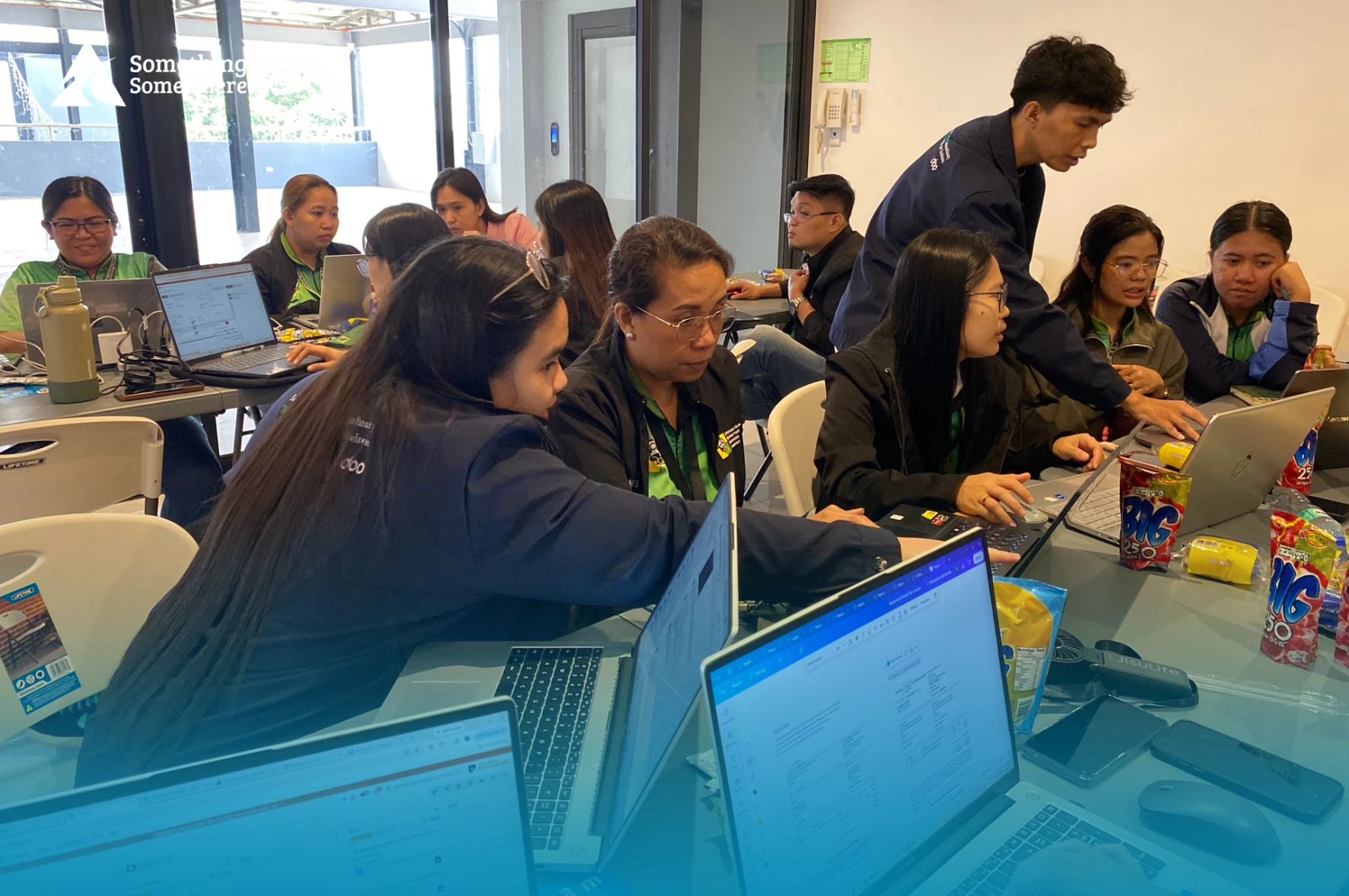
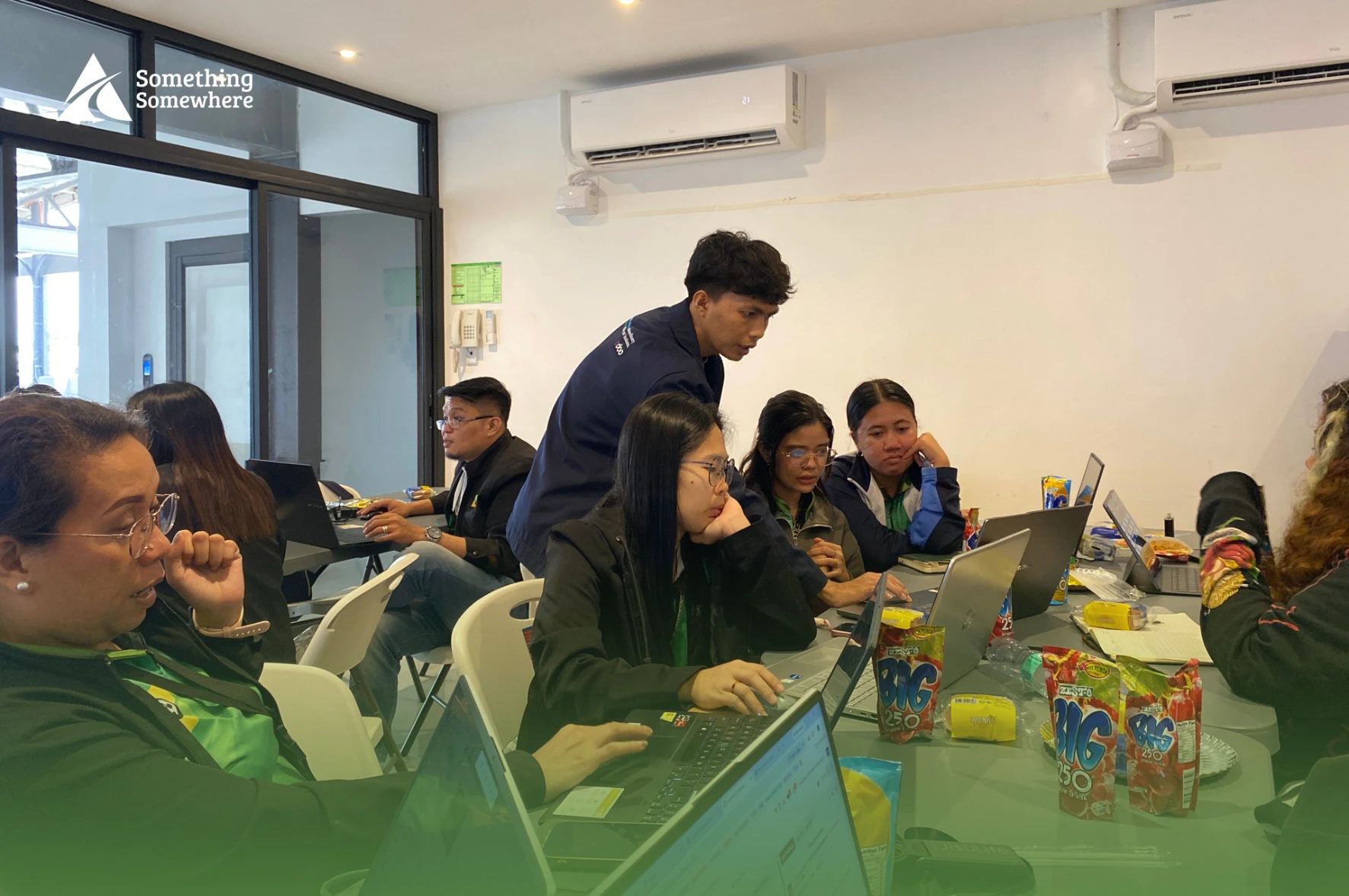
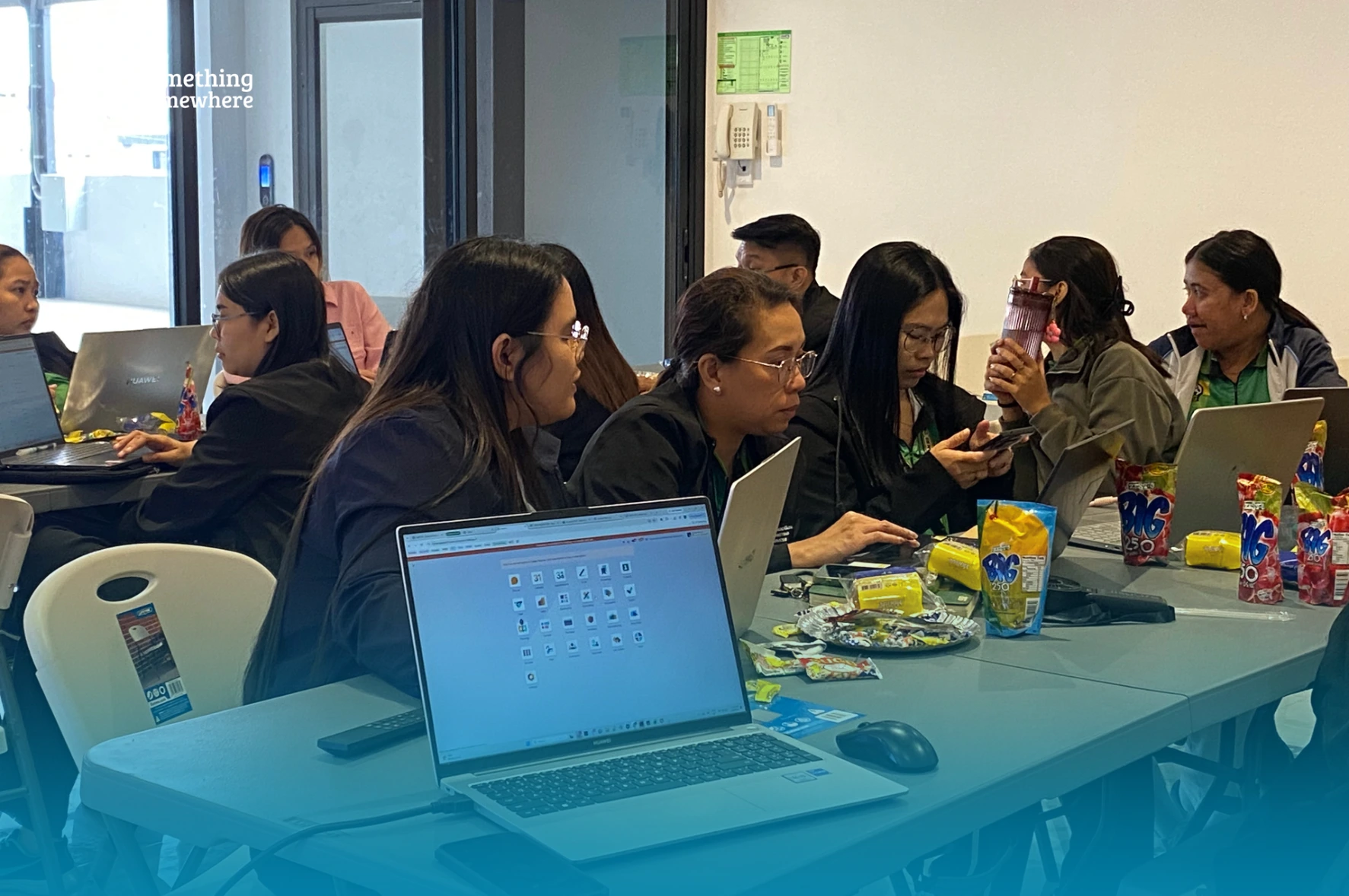
On July 28, 2026, Something Somewhere Consulting conducted Day 1 of End User Training with DynamicGoal Marketing Services, focusing on the company’s Sales and Operations Process in Odoo.
The full-day session guided users through a connected business flow—from preparing foundational master data and managing customer opportunities to confirming sales, creating projects and manufacturing orders, scheduling work, completing production, issuing invoices, and recording collections.
Rather than presenting each Odoo function as an isolated activity, the training showed how information moves from one process to another and how the actions of one team affect the responsibilities of the next.
This process-based approach is essential to meaningful ERP adoption. Users need to know not only where to click, but also why each step matters, what information must be accurate, and how their work contributes to visibility, accountability, and operational control.
Beginning With the Foundations
The training opened with an introduction and the configuration of essential master data.
Participants reviewed records and settings that support the wider sales and operations process, including the chart of accounts, bank journals, product categories, products, customers, inventory locations, bills of materials, work centers, and manufacturing operations.
These records form the foundation of day-to-day transactions in Odoo.
For example, product categories influence costing and accounting treatment, while product settings determine how sales may trigger related projects or operational activities. Bills of materials define the components needed for production, and work centers provide the operational structure for carrying out manufacturing tasks.
Accurate master data helps create consistency across departments. When foundational information is incomplete or incorrect, the impact can extend from sales and inventory to project execution, manufacturing, billing, and financial reporting.
This is why process standardization must come before effective digital enablement. Technology works best when it supports clear and consistent ways of working.
Connecting CRM to the Sales Process
A major part of the session focused on the CRM and sales process.
Users were guided through the creation of a new lead, movement of the opportunity to the artwork endorsement stage, uploading of the required endorsement form, progression to cost estimation, and creation of a quotation or cost estimate directly from the CRM record.
This connected approach helps ensure that important customer information remains visible throughout the sales cycle.
Instead of relying on disconnected files, messages, or manual follow-ups, users can track the progress of an opportunity within one shared process. Documents can be attached to the relevant record, stage changes can indicate the current status, and the quotation can be linked to the opportunity that created it.
For management, this supports better visibility into the sales pipeline.
For users, it creates clearer ownership and reduces the risk of missing information as an opportunity moves from initial inquiry to formal quotation.
Turning Cost Estimates Into Confirmed Work
The training continued with the preparation of cost estimates and quotations.
Participants reviewed how customer details, quotation templates, payment terms, products, and service requirements are entered into the sales process. They were then guided through sending the quotation and confirming the order.
The confirmation of the sales order represented an important process handoff.
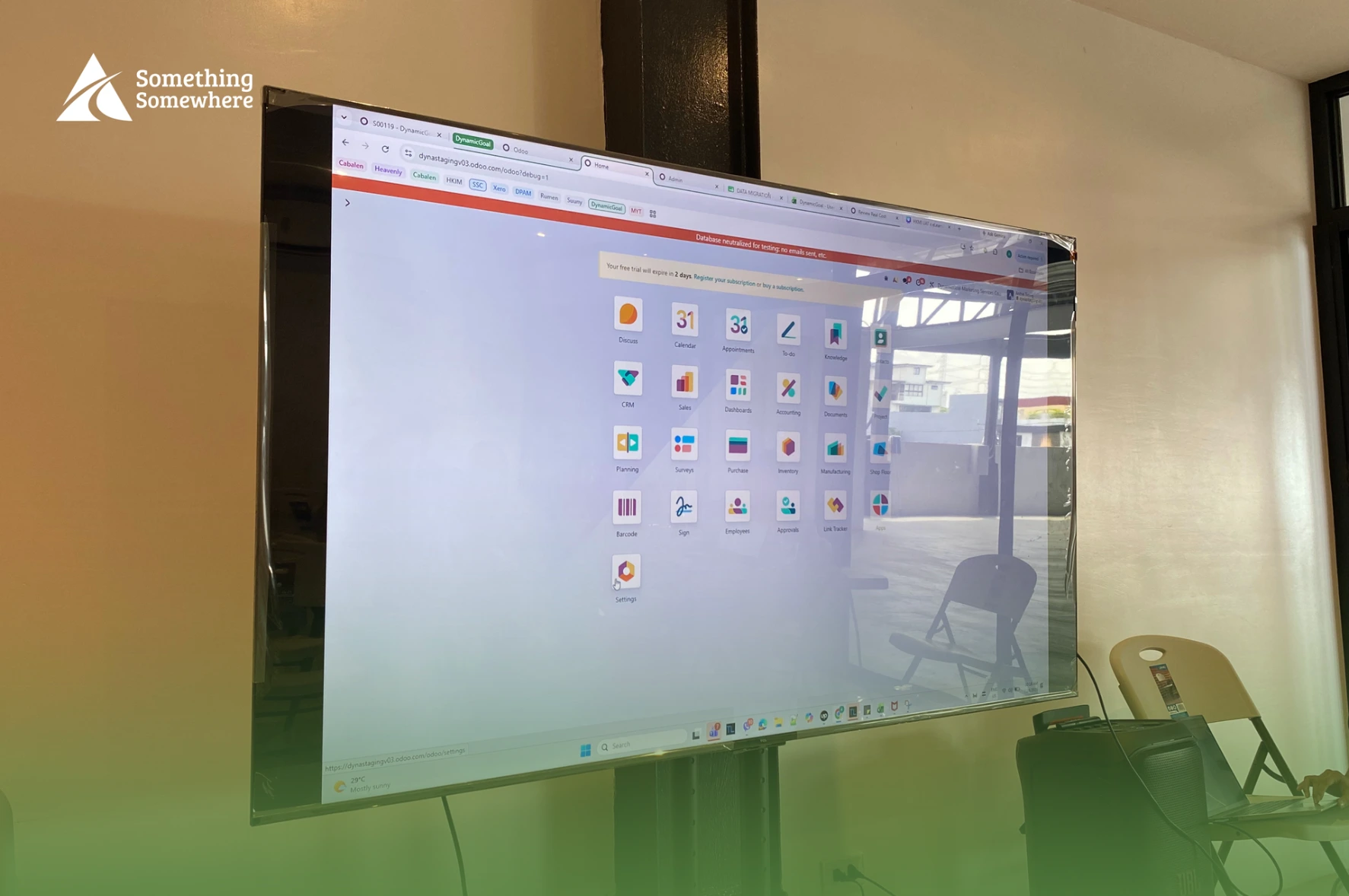
Based on the configured flow, confirming the order could generate the related project and manufacturing order. This demonstrated how a commercial transaction can trigger the operational work needed to fulfil a customer requirement.
The connection between sales and operations is critical.
When these activities are managed separately, teams may struggle with unclear requirements, incomplete handoffs, or duplicated encoding. A connected process helps ensure that the work accepted by the sales team becomes visible to those responsible for planning, production, execution, and delivery.
Building Control Through Project Budgeting
Once a project was created, the training moved into project budgeting.
Users reviewed how to define the budget type, establish the applicable period, enter the project plan, identify the project category, and record the approved budget amount.
Project budgeting gives teams a structured view of the resources and expenses associated with the work.
It also helps connect operational activities to the financial expectations established at the beginning of the project. When budgets are maintained consistently, managers are better positioned to monitor spending, compare planned and actual activity, and identify issues before they become larger concerns.
The purpose is not simply to record numbers.
It is to create greater control and accountability around how customer commitments are delivered.
Scheduling Work and Assigning Responsibility
The session also covered project scheduling and task management.
Users were shown how to open the related project and task, assign the appropriate person, enter the planned deadline, and review the schedule through the Gantt view. They also learned how to update task status by marking work as completed or cancelled when it was no longer part of the required scope.
Clear task ownership helps reduce uncertainty.
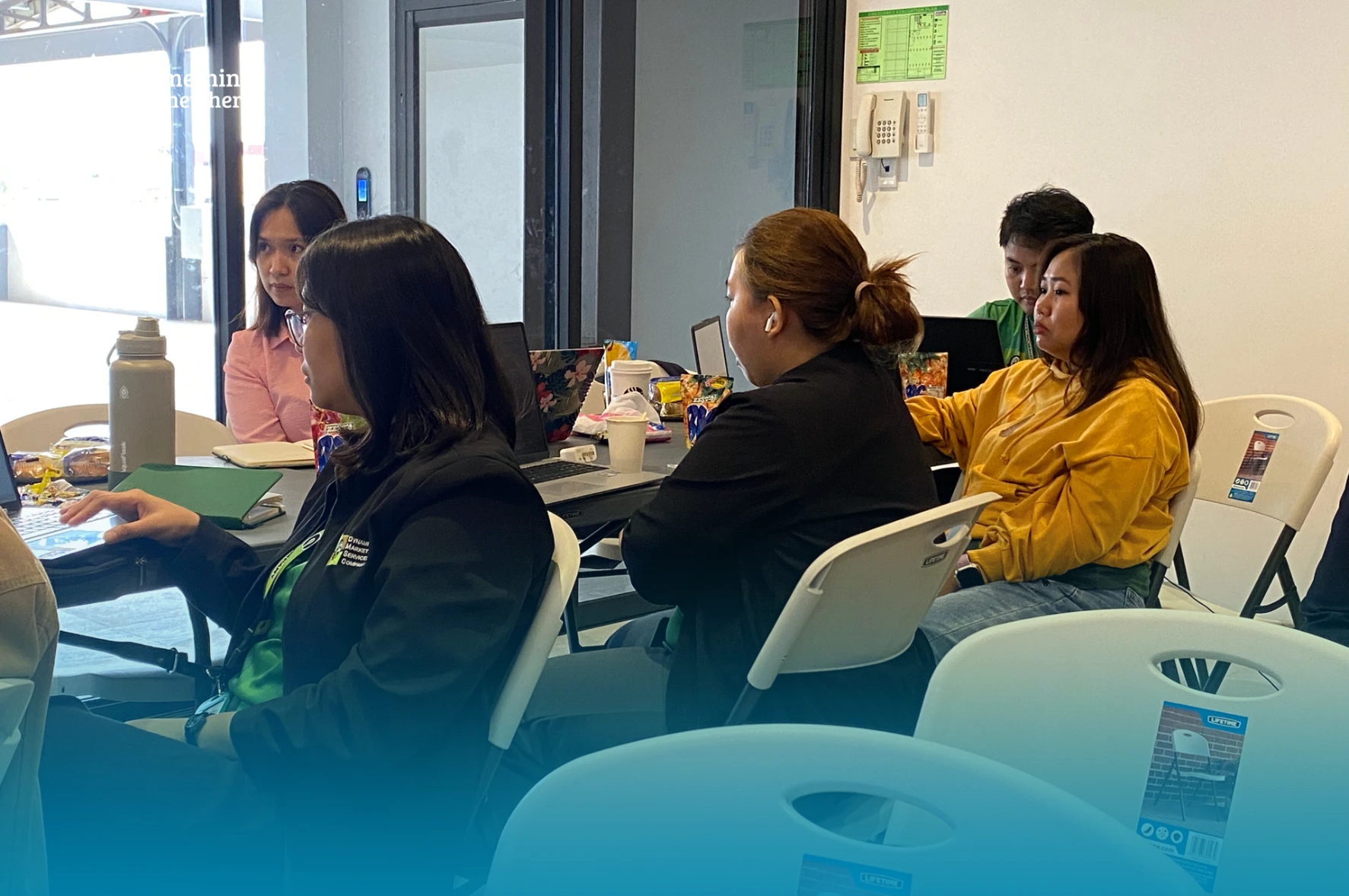
When every activity has an assigned user, deadline, and status, teams can more easily understand what needs to happen, who is responsible, and whether the work is progressing as expected.
This supports better coordination between departments and makes project progress more visible to both operational teams and management.
It also reduces dependence on individual memory, informal reminders, and disconnected monitoring tools.
Moving From Sales Into Manufacturing
The manufacturing portion of the training demonstrated how confirmed requirements move into production.
Participants were guided through the related manufacturing order, the transfer of materials from stock to production, the start of the production order, work-center execution, and completion of the finished output.
This part of the process showed how sales demand, inventory availability, bills of materials, production activities, and finished output can work together within Odoo.
For users, understanding this connection is important because production does not begin in isolation. It is linked to a customer requirement, supported by available materials, carried out through defined operations, and completed according to the work that was promised.
A connected manufacturing process improves traceability and provides a clearer view of what is being produced, what resources are being used, and what work remains in progress.
Completing the Flow Through Billing and Collection
The final operational section of the training focused on billing and collection.
Users reviewed how to return to the related sales order, access the quote calculator, enter the amount to be billed, save the changes, create the invoice, and register the customer collection through the configured bank journal.
This completed the business flow from opportunity and quotation to project delivery, production, invoicing, and payment.
Billing is not simply the final administrative step.
It depends on the accuracy of the earlier process. Customer details, quoted amounts, delivered work, project progress, and operational completion all influence the quality of the financial transaction.
By helping users understand the full sequence, the training reinforced the importance of completing each earlier step accurately and consistently.
Reinforcing Learning Through Certification and Debriefing
Day 1 concluded with a certification quiz and debriefing.
These activities gave participants an opportunity to reinforce what they had learned, identify areas that required clarification, and reflect on how the process would be applied in actual operations.
Training becomes more effective when users are given space to test their understanding.
A quiz helps confirm knowledge, while a debriefing allows teams to raise practical concerns and discuss how the process relates to their daily work.
This supports stronger adoption because it moves the session beyond passive demonstration. Users become active participants in the implementation and begin taking ownership of the new way of working.
ERP Adoption Is a People-Led Process
At Something Somewhere Consulting, we believe that systems do not transform organizations on their own.
Transformation becomes sustainable when people understand the process, take ownership of their responsibilities, and confidently use the system as part of everyday operations.
SSC’s role extends beyond implementing software. We help organizations standardize processes, align teams, enable digital systems, and support adoption so that change leads to better visibility, better control, better continuity, and better ways of working.
The Day 1 training with DynamicGoal Marketing Services reflected this approach.
By following the complete sales and operations journey, users were able to see how CRM, quotations, projects, manufacturing, scheduling, billing, and collection function as parts of one connected process.
That understanding is essential to building a stronger operating model.
Building Confidence One Process at a Time
End User Training is a critical stage of every Odoo ERP implementation.
It helps convert designed processes and configured workflows into practical business routines that users can carry out with confidence.
For DynamicGoal Marketing Services, Day 1 represented an important step toward greater user readiness and operational alignment. The session helped participants understand how their individual actions contribute to a wider business flow—and how consistent system use can improve coordination across teams.
ERP implementation does not end when a system is configured.
Its value begins to emerge when users understand the process, trust the system, and make the new way of working part of their daily operations.
📩 Let’s Continue the Conversation
Ready to explore what better processes, greater visibility, and an integrated ERP system could unlock for your organization?
Start Somewhere with Something Somewhere Consulting and begin building a practical path toward sustainable business transformation.