
In many businesses, everyone is busy.
Sales is following up. Operations is coordinating. Finance is checking records. Managers are approving requests. Teams are moving from one task to another, often with full schedules and constant messages to answer.
And yet, work still gets stuck.
A quotation waits for approval. A delivery is delayed because information is incomplete. An invoice is prepared late because the supporting details were not passed properly. A status update depends on someone asking around in a group chat.
When this happens, the first reaction is often simple: “Kailangan bilisan ng team.”
But before asking people to work faster, businesses should ask a better question:
Is it clear who owns the next step?
In many cases, the team is not the bottleneck. The handoff is.
The Hidden Problem Between Busy Teams
A handoff is the point where work moves from one person, team, or department to another.
It can happen when an inquiry becomes a quotation, when a quotation moves to approval, when an approved order moves to delivery, or when a completed delivery becomes an invoice.
These moments may look small, but they often determine whether work flows smoothly or quietly slows down.

A weak handoff can create confusion even when every person involved is doing their job. The delay is not always caused by a lack of effort. It may be caused by unclear ownership, missing information, repeated encoding, or approvals that are buried in chat.
This is why workflow visibility matters. A business can have hardworking people and still experience slow operations if the process between people is not clear.
When a Handoff Becomes a Bottleneck
A handoff becomes a bottleneck when the next step is not obvious.
One common issue is unclear ownership. If nobody knows who is responsible for moving the transaction forward, the work waits. It may sit in an inbox, a spreadsheet, or a chat thread until someone follows up.
Another issue is repeated encoding. When information is passed from one team to another through manual re-entry, the process becomes slower and more prone to errors. The same details are typed again, copied again, checked again, and sometimes corrected again.
Approvals can also become hidden blockers. Many businesses rely on chat messages for approval, but chat is not always a reliable place to track decisions. A request can be missed, buried, or approved without a clear record of what was reviewed.
Status updates can also become a sign of process weakness. If teams need to ask around just to know where a transaction stands, the process lacks a clear single source of truth.
These are not just minor administrative issues. They affect speed, accuracy, accountability, and decision-making.
Follow One Real Transaction
The best way to find a workflow bottleneck is not to start with a system, tool, or department chart.
Start with one real transaction.

For example: Inquiry → Quote → Approval → Delivery → Invoice
At every handoff, ask three practical questions:
Who owns it?
There should be a clear person or role responsible for the next step. If ownership is shared too broadly, accountability often becomes unclear.
What triggers the next step?
The team should know what event, document, approval, or status change moves the transaction forward. Without a trigger, the process depends too much on memory or follow-up.
Where can it get stuck?
Look for the point where people usually wait, rework, ask for missing details, or check status manually. These are the areas where better process design can create immediate improvement.
This kind of workflow check helps businesses see the process as it actually happens, not only as it is assumed to happen.
Why Busy Teams Still Experience Delays?
A business can have capable people and still suffer from slow processes.
This happens when the flow of work depends too much on informal coordination. People may know their own tasks, but not always the full movement of a transaction across teams.
For example, sales may know when a quote has been sent, but operations may not know when to prepare for delivery. Finance may know when an invoice should be issued, but may still need to ask for supporting details. Managers may approve requests, but the approval may not be visible to the next person in the process.
This creates a business environment where everyone is moving, but the work itself is not flowing cleanly.
That is why improving operations is not only about pushing people to do more. It is about designing better ways of working.
Start With One Recurring Process
Businesses do not need to fix everything at once.
A practical starting point is to choose one recurring process that regularly creates delays, follow-ups, rework, or confusion.
It could be quotation approval. It could be purchase requests. It could be delivery coordination. It could be billing, collections, onboarding, inventory movement, or service requests.

Once the process is selected, define three things clearly:
Owner.
Who is responsible for the step?
Trigger.
What starts the next action?
Single source of truth.
Where should everyone check the correct status, details, and updates?
These three elements create structure. They help reduce unnecessary follow-ups, duplicated work, and unclear accountability.
Only after this should businesses think about automation.
Automate What Should Be Consistent
Automation works best when the process is already clear.
If ownership is unclear, automation can simply move confusion faster. If triggers are undefined, automated reminders may still go to the wrong people. If information is scattered across spreadsheets, emails, and chats, automation may not solve the root problem.
This is why process standardization should come before system enablement.
Before automating a workflow, businesses should clarify the flow, confirm who owns each step, define the trigger points, and agree on where information should live.
Then, automation can support consistency.
A system can notify the next owner. It can record approval status. It can reduce repeated encoding. It can give teams better visibility. It can help leaders see where work stands without asking around.
But the system should support the process, not replace the need to understand it.
Better Handoffs Create Better Operations
When handoffs improve, the business starts to feel the difference.
Teams spend less time asking for updates. Managers gain better visibility. Customers experience fewer delays. Information becomes easier to track. Work moves with clearer ownership and fewer assumptions.
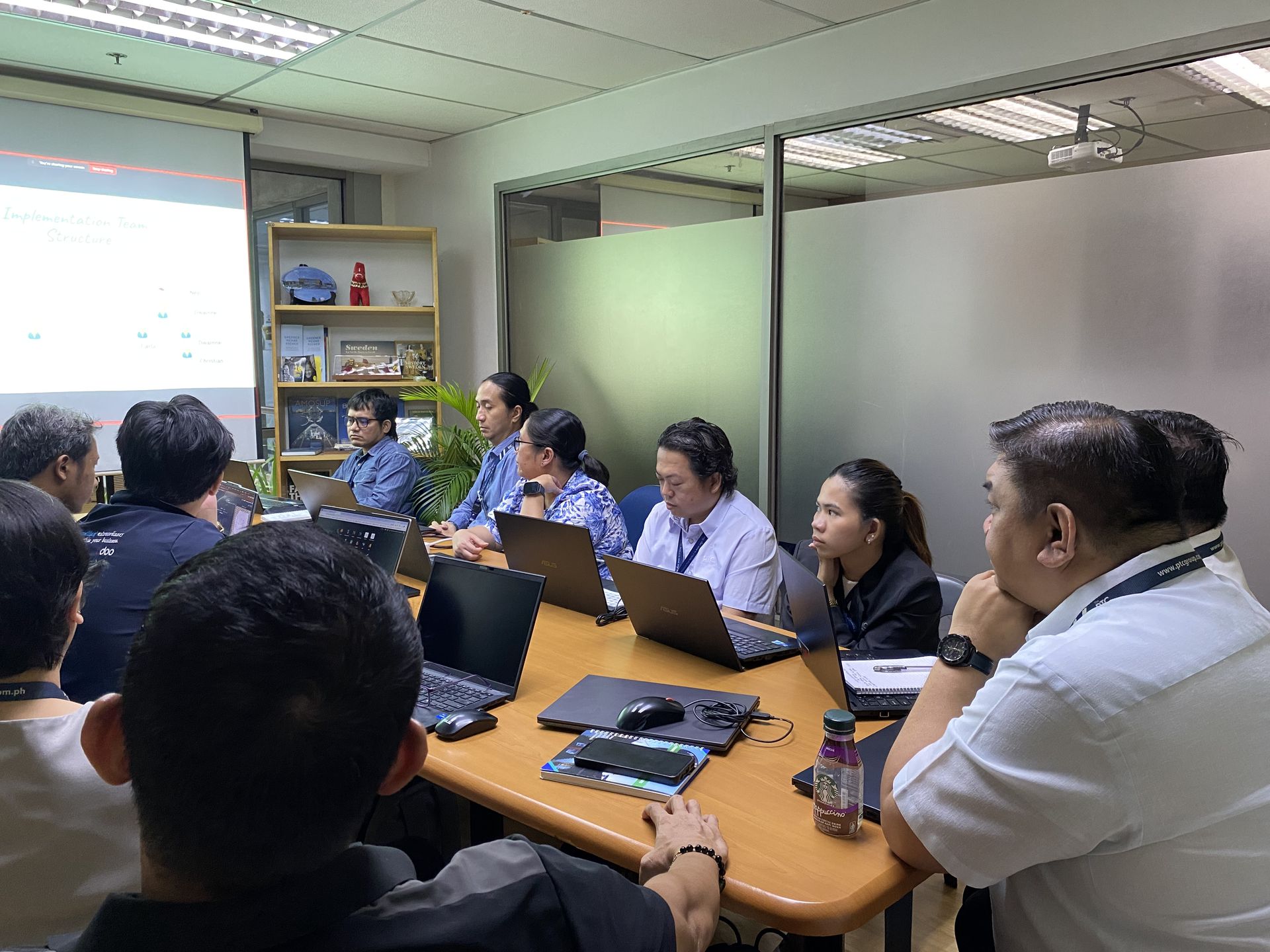
This is the foundation of better ways of working.
Digital transformation does not always begin with a major project. Sometimes, it begins with one recurring process, one unclear handoff, and one honest question:
Where does the work actually get stuck?
From there, a business can standardize the process, improve accountability, and build a more reliable operating rhythm.
Final Takeaways
If everyone on the team is busy but work still gets stuck, the issue may not be effort.
It may be the handoff.
Start by following one real transaction. Check the owner, the trigger, and the single source of truth. Then improve the process before automating what should be consistent.
Better handoffs create better operations.
And better operations create better ways of working.
📩 Let’s Continue the Conversation
If you are interested in exploring how Odoo can support your business, we’d be happy to connect.